

Quick answer
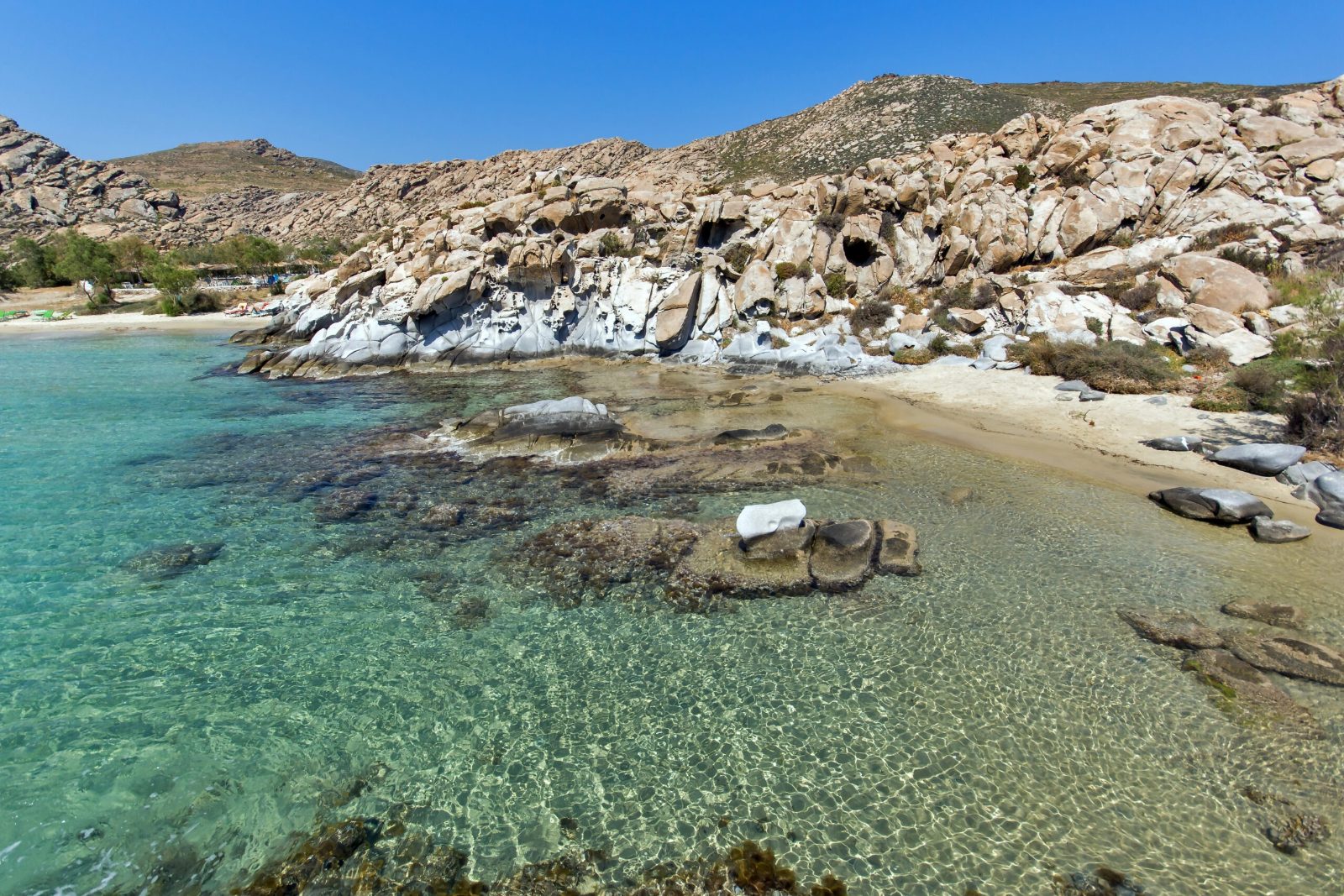
The best snorkeling beaches Paros are Kolymbithres and Monastiri, both located near Naoussa with free public access year-round. Arrive between 09:00 and 11:00 for optimal underwater visibility and calmer water before afternoon winds reduce clarity. The granite rock formations at Kolymbithres create natural channels and sheltered pockets where marine life congregates, while Monastiri's sandy bottom transitions to rocky outcrops ideal for observing Mediterranean species.
Kolymbithres holds the geological advantage—millions of years of wind and wave erosion carved its granite outcrops into smooth, organic sculptures that extend below the waterline. These submerged rock formations create micro-habitats where damselfish, wrasse, and sea bream gather in predictable concentrations. The shallow entry makes it accessible for novice snorkelers, yet the channels between rock clusters offer enough depth variation to maintain interest. Monastiri beach sits one cove south, where the seabed composition shifts. A gradual sandy slope gives way to scattered boulders and rocky patches that attract octopus, small grouper, and occasional cuttlefish. The monastery ruins visible from shore give the beach its name, and the same sheltered bay geography that protected monks centuries ago now shields snorkelers from open-water currents. Water clarity here depends heavily on timing—morning sessions before 11:00 consistently deliver three to five meters of visibility, while afternoons see particulate stirred by the meltemi winds that sweep the Cyclades from June through September. Both locations share the same access pattern: free entry, no facilities beyond seasonal beach bars, and parking that fills quickly in July and August. The best snorkeling beaches Paros guide includes one operational constant—arrive early or accept reduced visibility. The underwater landscape rewards patience. Granite boulders at Kolymbithres create natural swim-throughs and overhangs where Mediterranean moray eels rest during daylight hours. At Monastiri, the transition zone where sand meets rock concentrates feeding activity, particularly during morning hours when smaller fish species venture from nocturnal shelter. Neither beach requires boat access or guided tours. The combination of shallow entry, visible rock features from shore, and predictable marine activity makes Paros snorkeling conditions self-navigable for anyone comfortable in open water. Seasonal variation affects crowd density more than marine life—October through May sees fewer visitors but equally active underwater ecosystems, with water temperatures remaining swimmable into November.
“The granite formations at Kolymbithres extend underwater in channels and overhangs where Mediterranean species gather in predictable concentrations.”
Best Time to Visit the Best Snorkeling Beaches Paros
The best arrival window for snorkeling is 09:00–11:00, as this period offers calmer water and better underwater visibility before the afternoon meltemi winds arrive. Visiting during these hours ensures clearer conditions for observing marine life at beaches like Kolymbithres and Monastiri.
June–September
Moderate to highWarm water 23°C–26°C
These months provide the most comfortable water temperatures for extended snorkeling sessions. Visibility remains high throughout this period.
July–August
High crowdsHot weather 28°C–30°C
Expect busier beaches, making early morning arrivals essential for quiet water. The water is at its warmest during these peak summer months.
Weekday mornings
Low to moderate—
Visiting on weekdays before midday allows for a more peaceful experience. The lack of afternoon wind gusts keeps the surface calm for better visibility.
Verdict: The best time to snorkel is between June and September, specifically during the 09:00–11:00 window on weekday mornings.
Getting to the Best Snorkeling Beaches Paros: Kolymbithres and Monastiri
Kolymbithres and Monastiri are located near Naoussa on the northern coast of Paros, accessible by road or seasonal sea transport. The most straightforward approach is via Naoussa, which serves as the primary hub for transit to these coastal areas.
KTEL bus from Naoussa to Kolymbithres/Monastiri
Drive via Epar.Od. Parikias-Naoussas to the designated parking areas
Small taxi boat from Naoussa port to Monastiri beach
Walking from Naoussa to Kolymbithres
What to See at the Best Snorkeling Beaches Paros
The coastline near Naoussa features distinct geological formations that offer varied environments for underwater observation. Snorkelers can explore the granite-formed coves of Kolymbithres or the rocky seabed surrounding Monastiri beach.
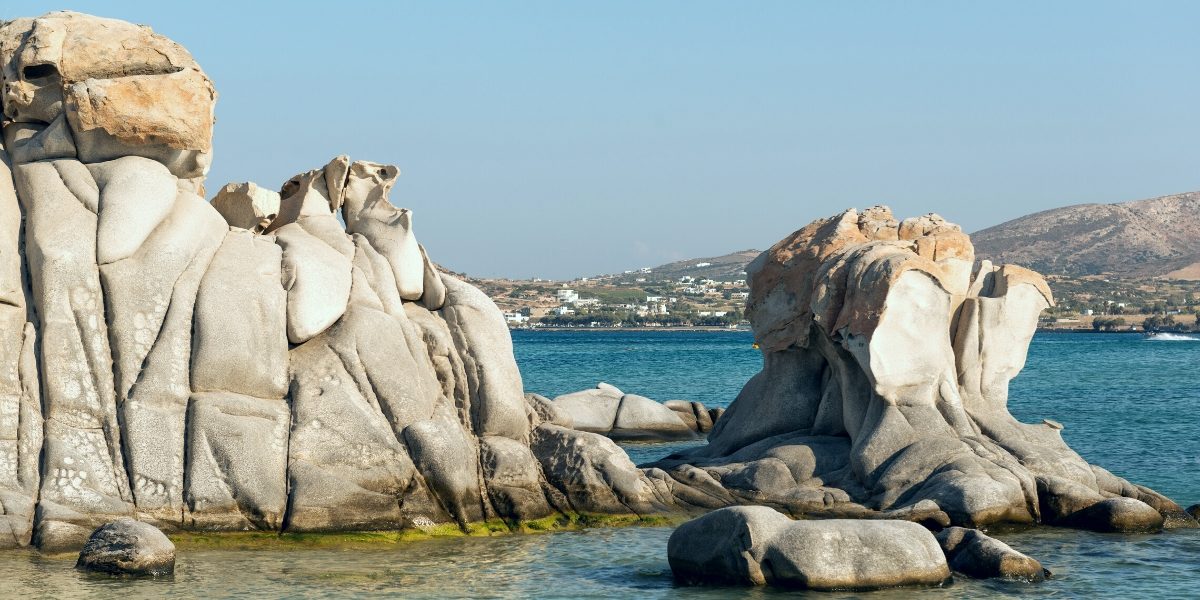
Kolymbithres Granite Coves
These small, sheltered bays are characterized by smooth, wind-sculpted granite boulders that extend into the water, creating shallow sandy pockets. The clear water here is ideal for observing smaller schooling fish near the rock edges.
Swim around the outer boulders to find deeper, clearer channels.
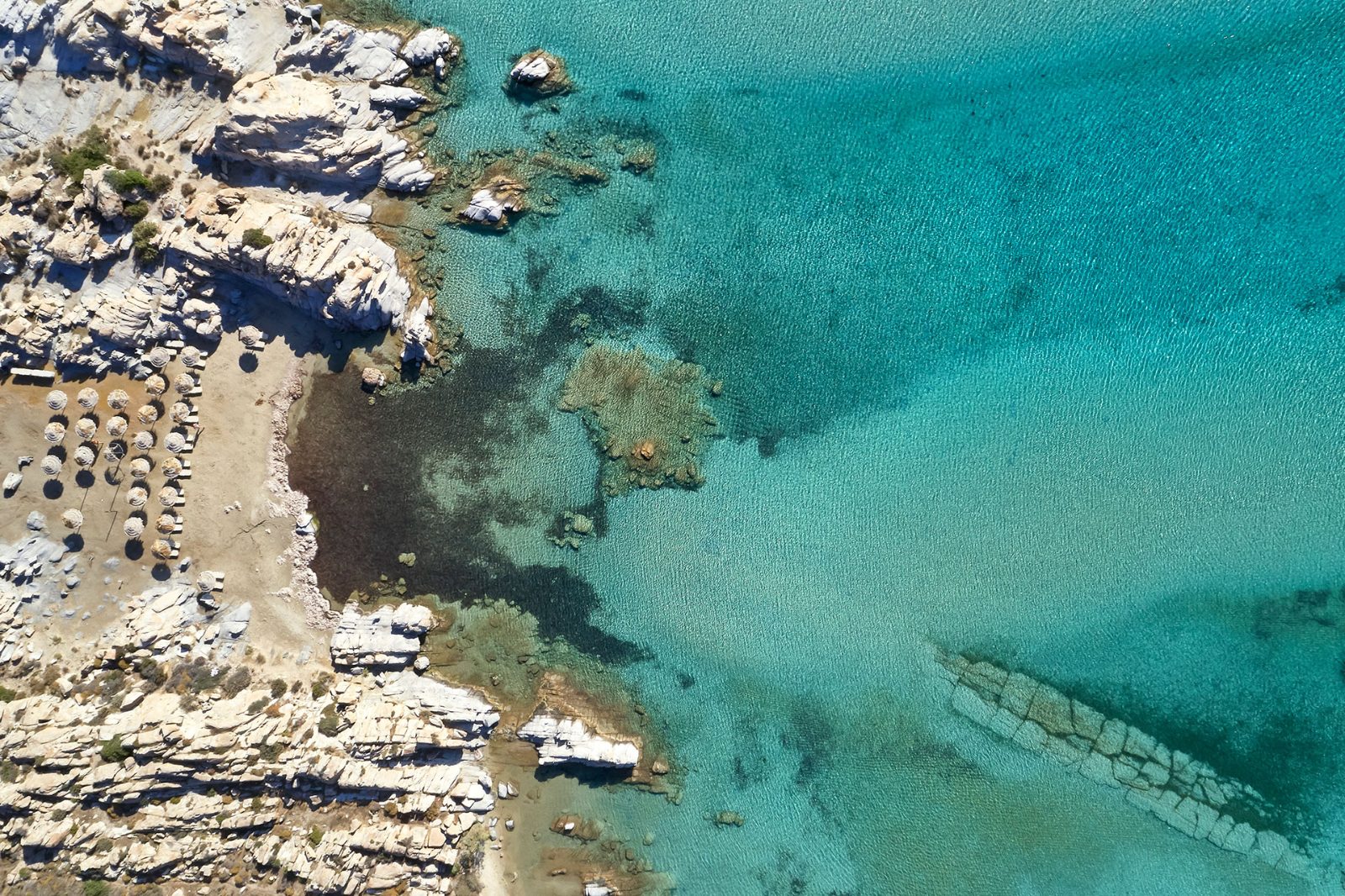
Monastiri Bay Shoreline
Located within a protected cove, this area features a rockier shoreline that attracts a wider variety of marine life. The seabed transitions from shallow pebbles to larger rocks, providing cover for octopuses and sea bream.
Follow the rocks along the left cliff side for increased activity.
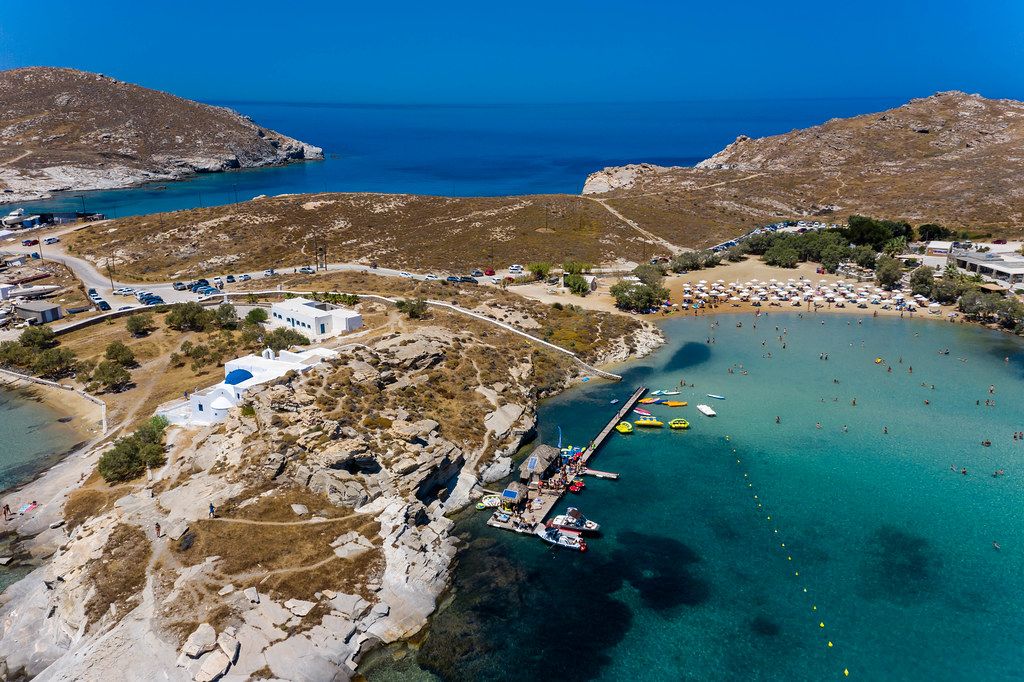
Agios Ioannis Detour
A short distance from the main beach, the seafloor drops off more noticeably, offering a change in marine topography. This zone is frequently visited by larger Mediterranean fish species seeking cooler water.
Look down into the seagrass patches for camouflaged marine life.
Planning Your Visit to the Best Snorkeling Beaches Paros
This half-day plan suits snorkelers who want to experience two contrasting underwater environments in one morning. Allow 4–5 hours total, including transfer time between beaches.
Kolymbithres Bay exploration
Start at the main cove and work clockwise around the granite formations, spending 60–75 minutes snorkeling the sheltered pockets between rocks. The calmer morning water offers the clearest views of damselfish and wrasse.
Rocky channel swim-through
Navigate the narrow passages between the smooth boulders where light filters create shifting patterns underwater. Allow 20 minutes for this section before exiting at the eastern cove.
Beach interval and transfer
Rinse gear, have a snack, and walk or drive the 1.5 km to Monastiri (10 minutes by car, 20 on foot). The break prevents fatigue before the second session.
Monastiri shallow reef
Enter from the sandy center and swim toward either rocky edge, spending 45–60 minutes over the seagrass beds where you'll spot juvenile fish and occasional octopus. The bay stays shallow, rarely exceeding 4 meters.
Final cove check
If energy permits, explore the small northern inlet for 15 minutes—it often holds schools of saddled bream near the rocks. Exit by 13:00 before afternoon winds pick up.
Tips for Snorkeling the Best Snorkeling Beaches Paros
Enhance your underwater experience in Paros with these practical insights for navigating the local coastline effectively.
Protect your feet
Wear reef shoes to navigate the rocky entry points common around Kolymbithres and Monastiri. These surfaces are often uneven and can be slippery for bare feet.
Bring personal equipment
Rental availability for high-quality, sanitized snorkeling masks and fins is limited. Packing your own gear ensures a proper fit and consistent performance throughout your stay.
Monitor local wind
Check the Meltemi wind forecasts before heading out, as northerly winds can significantly reduce underwater visibility and create chop. Days with lower wind speeds provide the clearest conditions for observing marine life.
Select coves by skill
Beginners should prioritize the sheltered, shallow waters near the rocks at Monastiri. Confident swimmers may prefer the deeper drop-offs found further out from the main Kolymbithres rock formations.
Maintain gear integrity
Rinse all snorkeling equipment with fresh water after each session to prevent salt crystal buildup on silicone seals and buckles. This practice extends the lifespan of your gear in the Aegean environment.
Visiting the Best Snorkeling Beaches Paros With Kids
Kolymbithres and Monastiri offer diverse environments suitable for families, balancing shallow sandy areas for toddlers with deeper rocky coves for older children. These locations provide accessible facilities to support a comfortable visit.
Stroller access
The sandy paths at Kolymbithres are manageable, but strollers are difficult to maneuver over the rocky terrain found at the water's edge. Monastiri has flatter access points but requires carrying gear across the sand to reach the shoreline.
Age suitability
Kolymbithres features shallow, sheltered pockets ideal for young children to wade and explore safely. Monastiri provides clearer, deeper water along the cliff edges, which is better suited for older children who are confident swimmers.
Facilities
Both beaches offer public access and basic amenities. Visitors should plan for their own supplies as shade is limited, particularly during the middle of the day.
Safety advice
Encourage children to wear water shoes to protect feet from sharp rocks and sea urchins. Always supervise younger children in the water, even in the shallow, protected coves.
Nearby Sights Near the Best Snorkeling Beaches Paros
The proximity of Kolymbithres and Monastiri to Naoussa allows for a seamless transition from morning underwater exploration to cultural discovery. These locations offer a balance of rugged coastline and accessible town infrastructure.
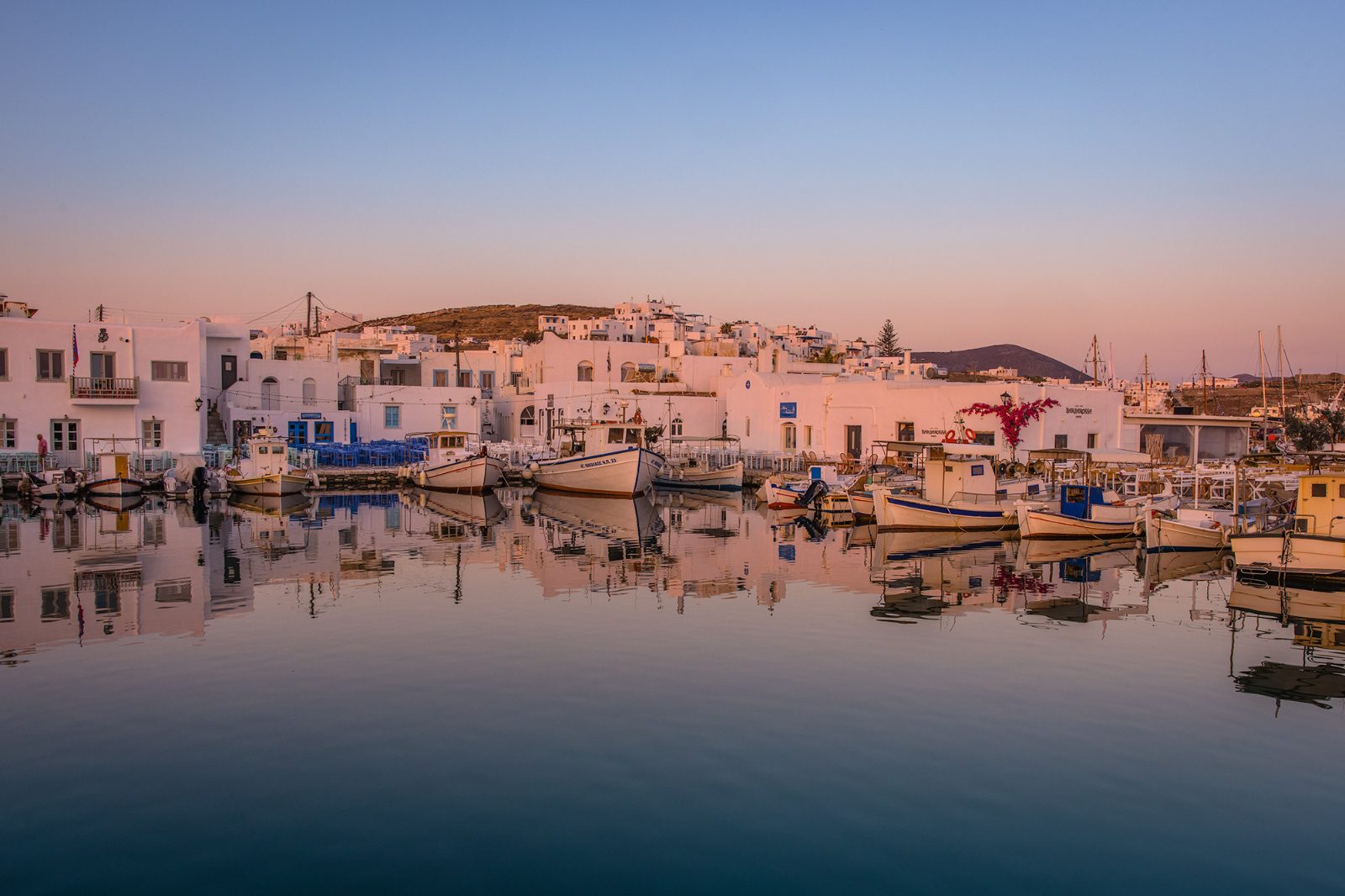
Naoussa Old Town
This traditional fishing village features Venetian architecture and narrow pathways, providing a quiet contrast to the midday sun after snorkeling.
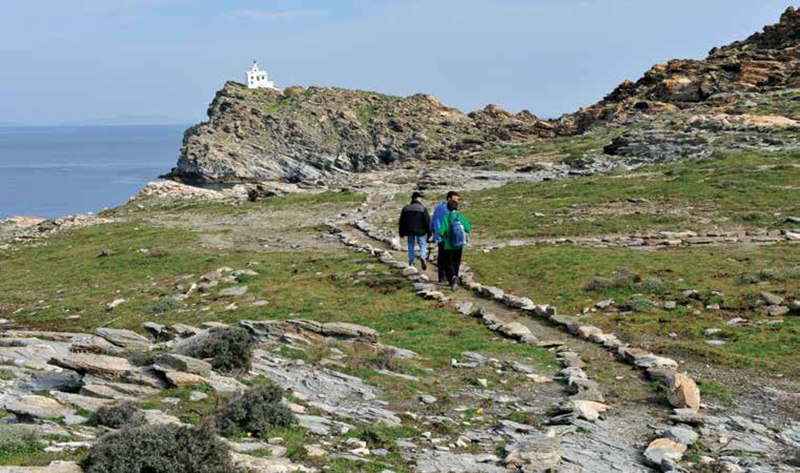
Paros Park
Located near Monastiri, this environmental park offers marked hiking trails and a lighthouse, ideal for post-snorkel land activity.
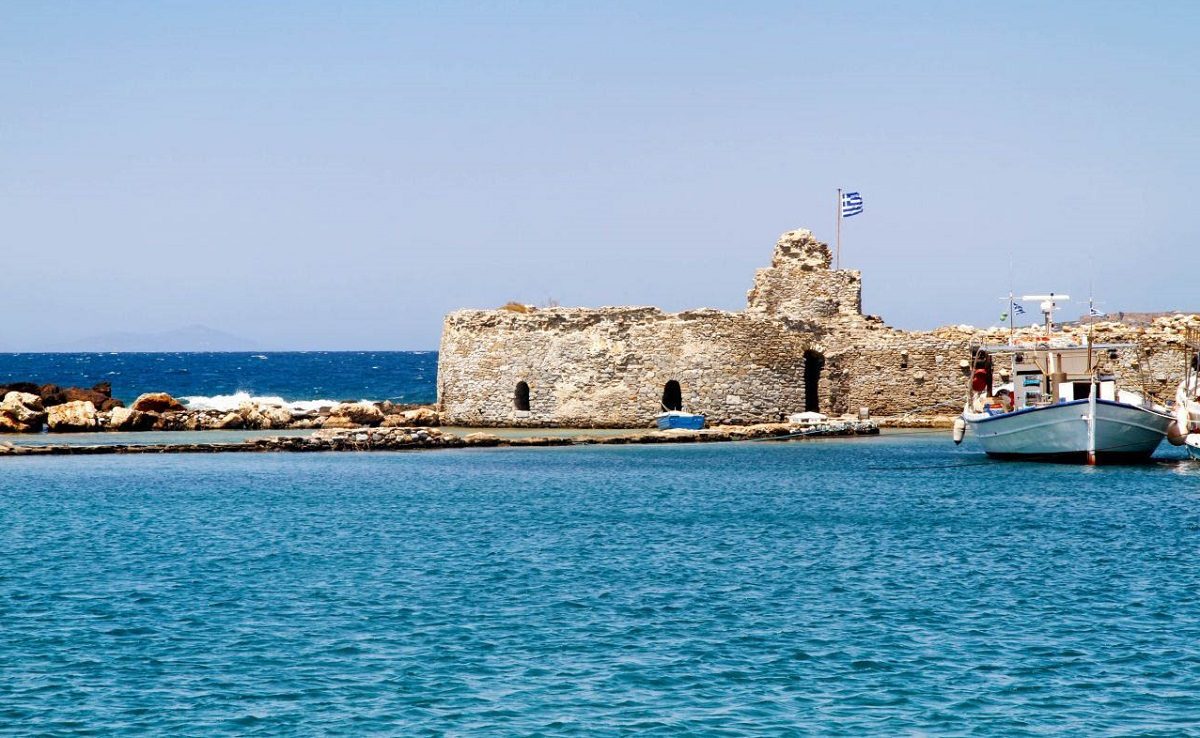
Venetian Castle of Naoussa
Situated at the entrance of the harbor, these ruins offer historical context to the coastal landscape near the snorkeling zones.
Checklist Before You Visit the Best Snorkeling Beaches Paros
Prepare these essentials before heading to Kolymbithres or Monastiri to make the most of your snorkeling experience.
-
Pack mask, snorkel, and fins — Rental options are limited near these beaches.
-
Bring reef shoes or water shoes — Rocky entry points and sea urchins are common.
-
Apply reef-safe sunscreen before arrival — Protect marine life and avoid reapplication in the water.
-
Fill a large water bottle — No shops operate directly on these remote beaches.
-
Check the wind forecast online — Afternoon meltemi winds reduce visibility and create chop.
-
Arrive between 09:00–11:00 — Calmer water and better underwater visibility before afternoon winds.