

Quick answer
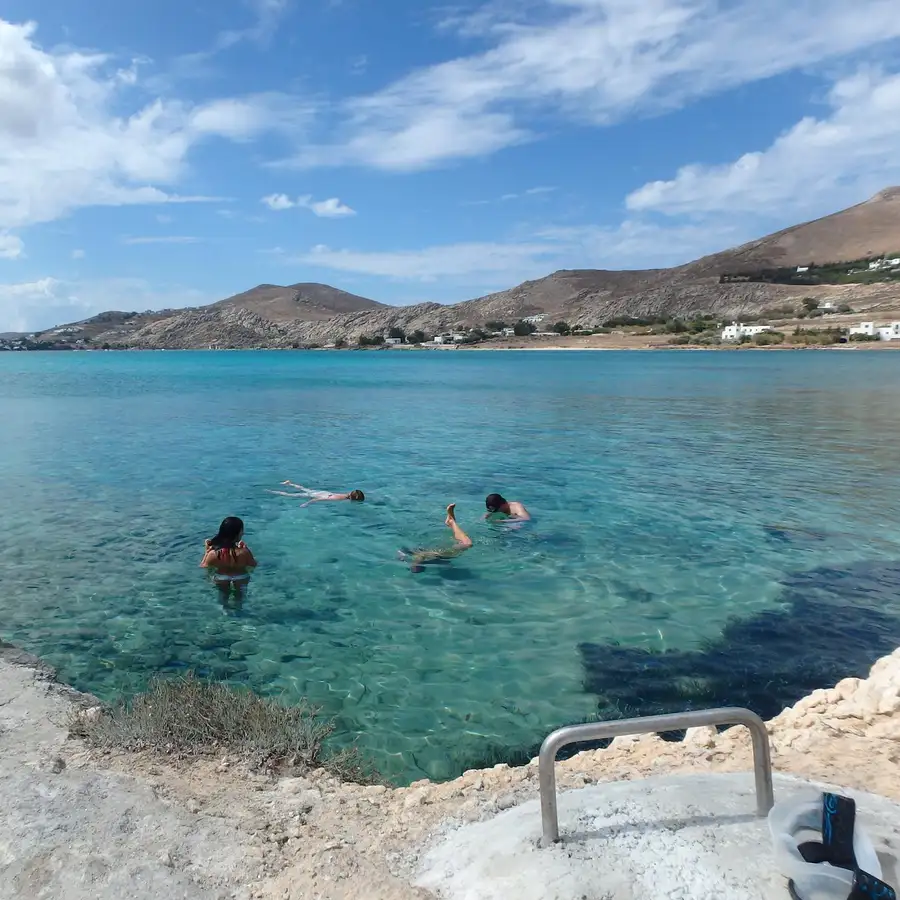
The top snorkeling spots Paros include Kolimbithres for granite boulder formations and shallow reefs, Lageri Bay on the southeast coast for calm protected water and seagrass beds, and Santa Maria Beach in Naoussa for fish diversity near rocky outcrops. All are free-access public beaches. Arrive between 09:00 and 11:00 for the calmest conditions and clearest visibility before afternoon meltemi winds stir sediment.
Paros sits in the center of the Cyclades archipelago where two competing wind systems—meltemi from the north and sirocco from the south—create a patchwork of sheltered and exposed coastline. The island's underwater geography mirrors its surface: volcanic rock meets Cycladic marble, creating fractured reefs that hold pockets of marine life even in summer when water temperatures exceed twenty-four degrees Celsius. Kolimbithres remains the most frequently mentioned site among snorkeling spots Paros guides because its granite boulders extend below the waterline in formations that dampen wave action. The rocks create natural corridors where damselfish and sea bream gather near algae-covered surfaces. Water depth stays under three meters within fifty meters of shore. Santa Maria Beach on Naoussa Bay offers a different profile: a sandy bottom transitions to patchy rock at the bay's eastern edge where Mediterranean rainbow wrasse and painted comber hide in crevices. The site works best on windless mornings since the bay opens northwest and catches afternoon chop. Lageri Bay on the island's southeastern flank provides the most consistent visibility because it faces away from prevailing summer winds. Seagrass beds begin ten meters from shore and extend across a sandy plateau before dropping to six-meter depths where larger grouper occasionally patrol. The Posidonia meadows here host pipefish and juvenile fish using the grass as nursery habitat. Local dive operators cite Lageri as the most reliable Paros snorkeling location when northern beaches turn rough. The Cycladic coastline's rocky substrate means most sites lack sandy entries—expect pebble or rock platforms. Visibility ranges from eight to twenty meters depending on wind history and plankton blooms. Summer water temperatures between June and September stay warm enough for extended sessions without thermal protection, though a shorty wetsuit adds buoyancy for surface floating over deeper sections. No permits or fees apply to any public beach snorkeling in Greece.
“The island's underwater geography mirrors its surface: volcanic rock meets Cycladic marble, creating fractured reefs that hold pockets of marine life even in summer.”
The Best Snorkeling Spots in Paros
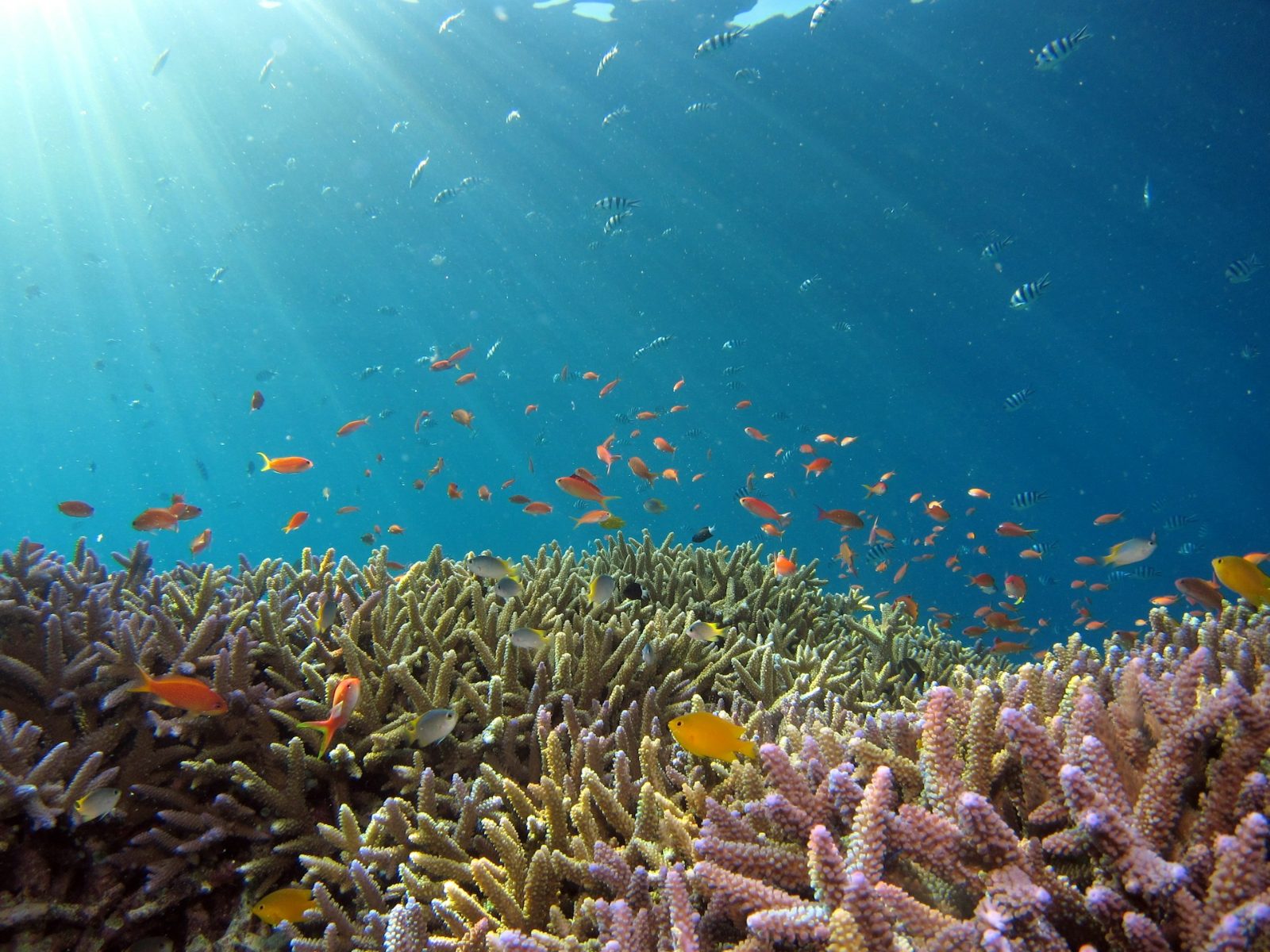
Paros offers diverse underwater terrain, ranging from unique rock formations to protected sandy coves. These locations provide clear visibility for observing Mediterranean marine life in its natural habitat.
Kolymbithres Beach
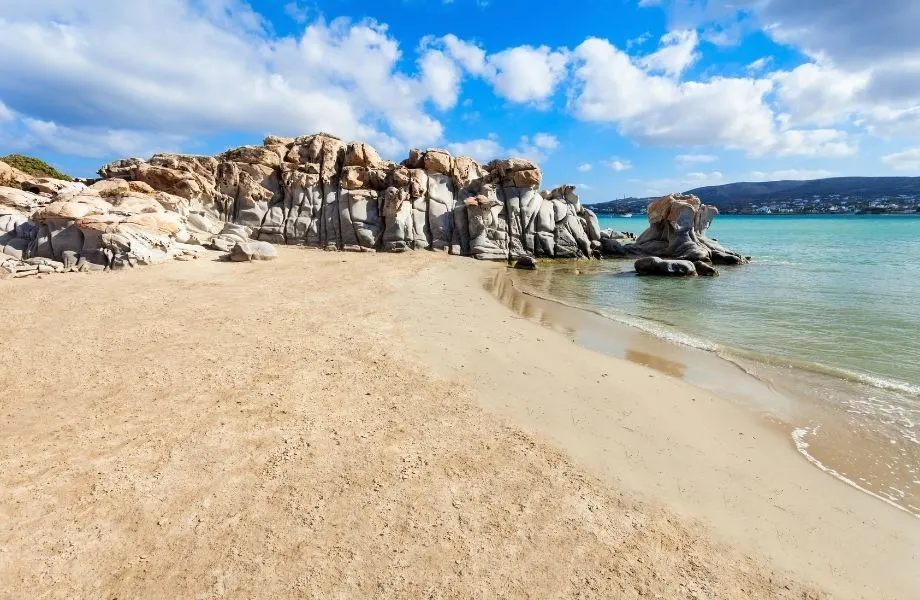
Granite rock formations create shallow, maze-like passages that house small schools of fish.
Swim around the large boulders to find sheltered rocky pockets.
Monastiri Beach
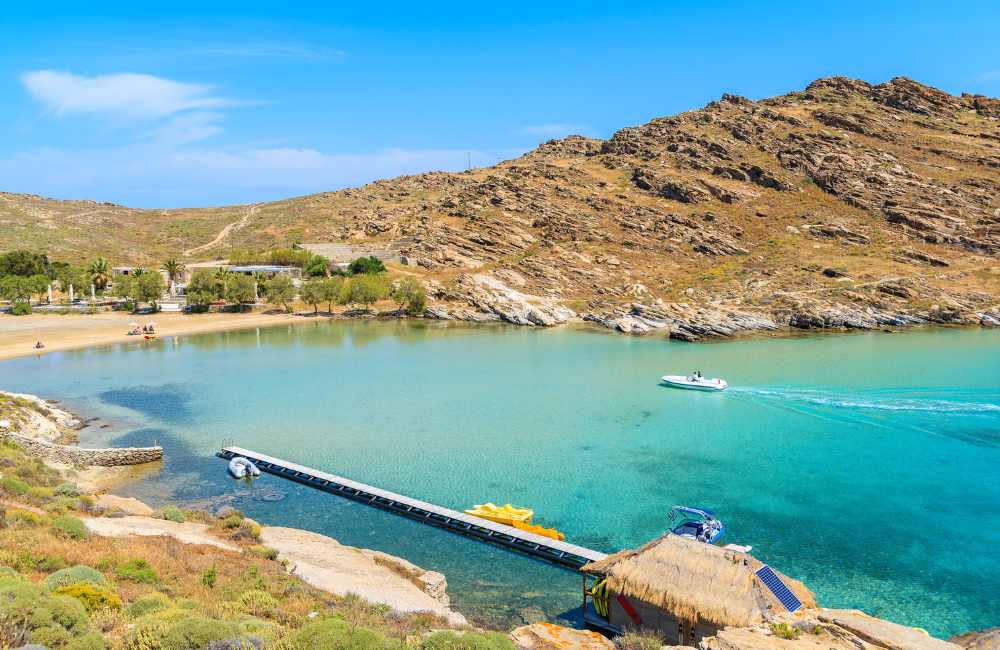
Located within a protected bay, this spot features calm, clear water and sandy patches ideal for beginners.
Explore the rocky perimeter near the edges of the bay.
Laggeri Beach
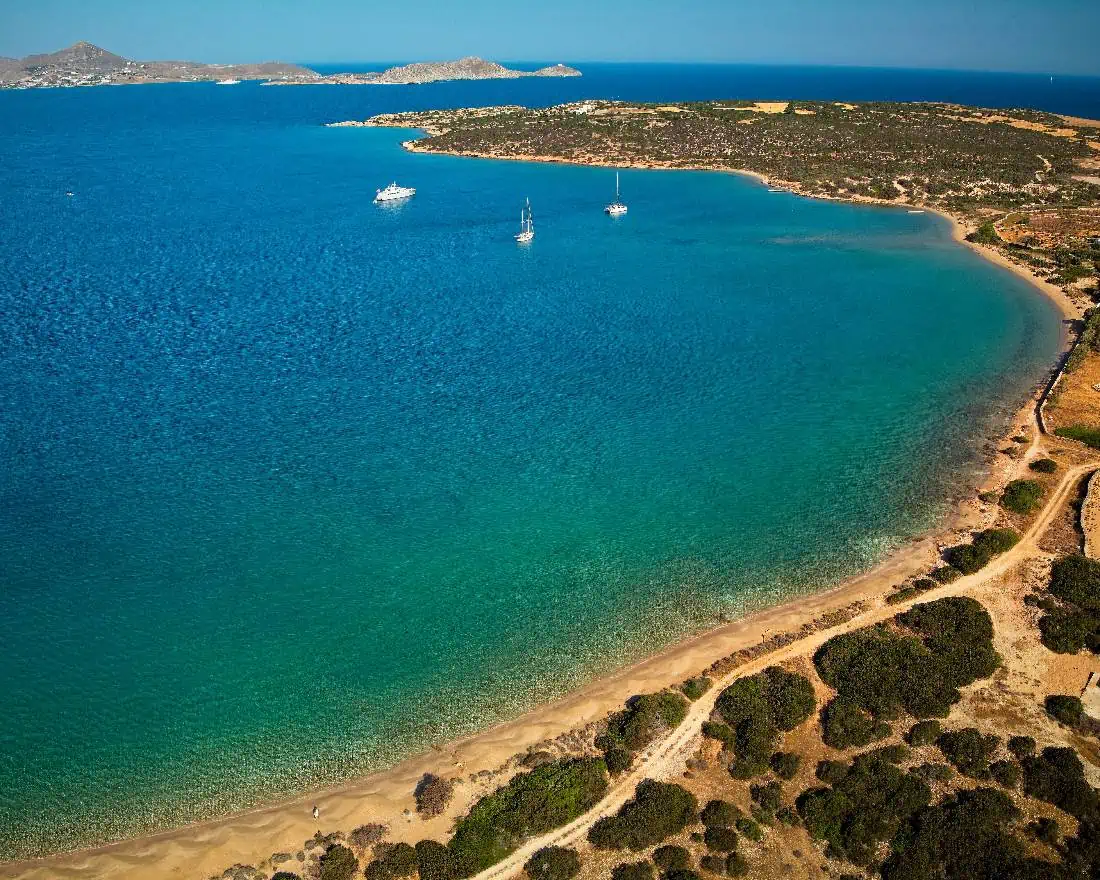
A secluded area offering a more tranquil environment with rocky outcrops and healthy seagrass meadows.
Stay close to the rocky northern headland for better visibility.
Santa Maria Beach
This site includes both sandy stretches and interesting rocky seabed sections reachable from the shore.
Head toward the rocky sections at the far end of the beach.
Best Time to Go Snorkeling in Paros
The optimal window for snorkeling in Paros is between May and October, specifically during the best arrival window of 09:00–11:00. Arriving during these hours ensures the calmest water and clearest underwater visibility before the seasonal meltemi winds typically pick up in the afternoon.
May and June
Low to moderateWarm, 20°C–24°C water
Mild temperatures and thinner crowds allow for peaceful exploration of the coastline.
July and August
HighHot, 24°C–26°C water
Visibility remains good early, though popular spots become busy midday.
September and October
Moderate to lowWarm, 22°C–25°C water
Water temperatures remain pleasant following the summer heat with fewer visitors.
Weekday mornings
Minimal—
This daily timeframe consistently offers the calmest surface conditions and clearest visibility.
Verdict: Plan your snorkeling sessions for weekday mornings between 09:00–11:00 during the months of May, June, or September for the best combination of water clarity and calm conditions.
How to Get to the Snorkeling Spots in Paros
Paros's snorkeling coastline has no single access point, since the spots are spread across public beaches on both the west and east sides of the island. Most visitors reach them from the two main hubs, Parikia and Naoussa, by rental car, scooter, or KTEL bus.
Island ring road from Parikia to coastal turnoffs (e.g. toward Aliki, Pounta or Naoussa)
KTEL Paros bus from Parikia Bus Station toward Naoussa or Aliki
Same coastal roads as car route, parking directly at beach access points
From nearest bus stop or roadside parking to shoreline
From Parikia or Naoussa taxi rank to chosen beach
Snorkeling Spots Paros: Opening Hours
Snorkeling spots in Paros are located along public beaches and coastline, which remain accessible every day of the week.
| Monday | 00:00–23:59 | |
|---|---|---|
| Tuesday | 00:00–23:59 | |
| Wednesday | 00:00–23:59 | |
| Thursday | 00:00–23:59 | |
| Friday | 00:00–23:59 | |
| Saturday | 00:00–23:59 | |
| Sunday | 00:00–23:59 |
Snorkeling Spots Paros: Dos and Don'ts
Paros's snorkeling spots are shared marine environments where swimmer conduct affects underwater ecosystems and other visitors. Following local etiquette protects the seagrass meadows, rocky reefs, and coastal wildlife that make these spots worth visiting.
Do
- Stay within marked swimming zones away from boat lanes
- Observe fish and octopuses from a respectful distance without chasing
- Wear reef-safe sunscreen to protect posidonia seagrass beds
- Enter and exit carefully over rocky sections to avoid sea urchins
- Snorkel with a buddy and keep fins below the surface
Don't
- Touch or stand on rocks, coral formations, or seagrass meadows
- Feed fish or interfere with marine life behavior
- Kick up sediment near the seabed that clouds visibility
- Remove shells, rocks, or any natural materials from the site
- Snorkel alone in remote coves without telling someone your location
Snorkeling Spots in Paros for Families with Kids
Paros offers accessible coastline suitable for families, provided visitors choose sheltered bays with calm, shallow entries. Selecting locations with existing infrastructure simplifies logistics for parents managing equipment and young swimmers.
Stroller access
Most natural snorkeling beaches in Paros have rocky or sandy paths that are difficult for strollers; a baby carrier is recommended. Stick to organized beaches with paved access points to ensure mobility around the shoreline.
Age suitability
Children aged six and older often possess the coordination required for basic snorkeling, provided they are confident swimmers. Always utilize life vests or flotation aids regardless of their swimming ability.
Facilities
Focus on beaches with sunbeds, showers, and nearby tavernas to minimize the gear you need to carry. These spots allow for easier breaks and restroom access during longer outings.
Keeping them engaged
Search for rocky outcrops in shallow water where small fish are visible without deep diving. Encouraging children to observe from the surface keeps them comfortable and avoids the pressure of deeper snorkeling.
Downtime
Plan sessions during the best arrival window of 09:00–11:00 to ensure calm conditions. Returning to a shaded area or nearby cafe by midday allows children to rest before the afternoon winds increase.
Snorkeling Spots Paros: What to Pack and Prepare
Most Paros snorkeling spots are public beaches without equipment rental or lifeguards, so come prepared.
-
Pack mask, snorkel, and fins — Rental shops are rare at remote spots; bring your own or rent in Parikia/Naoussa.
-
Bring water shoes or reef-safe sandals — Rocky entry points at Kolimbithres and Santa Maria can be sharp underfoot.
-
Apply reef-safe, high-SPF sunscreen — You'll spend extended time in shallow water with strong Aegean sun exposure.
-
Pack a rashguard or wetsuit top — Protects against sun and occasional jellyfish during summer months.
-
Arrive between 09:00 and 11:00 — Water is calmest and visibility best before afternoon meltemi winds pick up.
-
Bring drinking water and snacks — No facilities at secluded spots like Lageri Bay or Monastiri Beach.
Check availability
FAQ: Snorkeling Spots Paros
Everything you need to know about snorkeling spots paros